-
How a diode works
A diode is a component that acts like a one-way gate for electric current. It allows current to flow easily in one direction, but it makes it very difficult for current to flow in the opposite direction. When the diode is connected the correct way round, it is forward biased. In forward bias, the diode…
-
Why does the resistance of a light bulb increase?
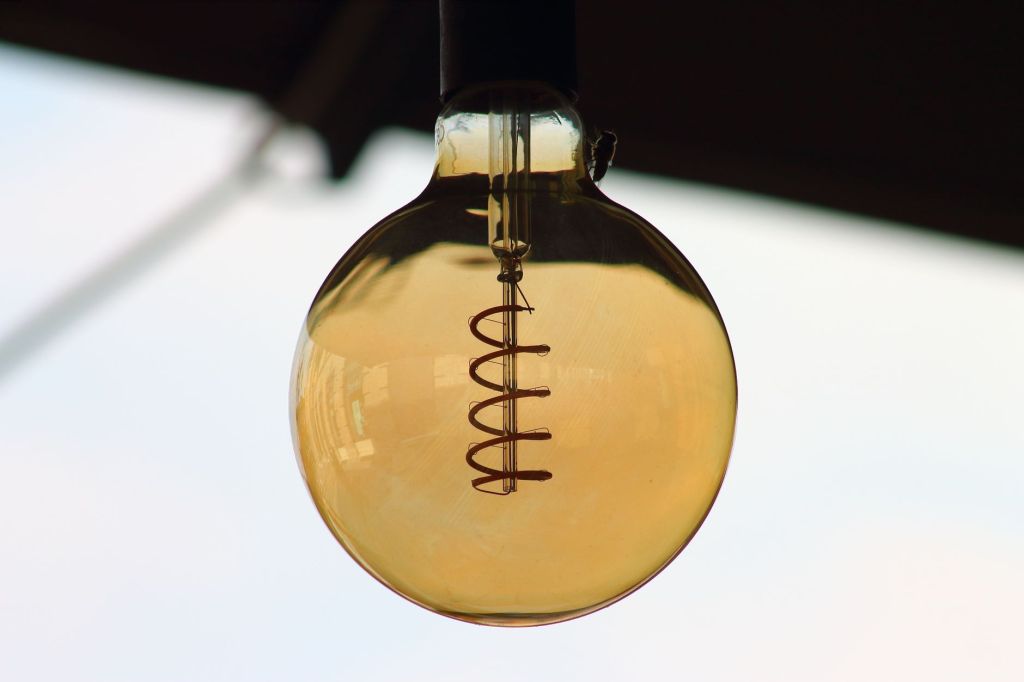
A filament light bulb contains a very thin metal wire called the filament. When a current flows, the filament transfers electrical energy to its thermal energy store. This makes the filament heat up. As the filament gets hotter, the metal ions in the filament gain energy and vibrate more vigorously. The electrons moving through the…
-
Current and Voltage: What is the Difference?

Current is the flow of electric charge around a circuit. It tells us how much charge passes a point each second. Voltage is the energy transferred by each unit of charge. It tells us how much energy the charges are given by a battery, or how much energy they transfer to a component. A good…
-
Teaching Physics in Secondary School to Pupils with ADHD
Teaching physics to secondary school pupils with ADHD can be one of the most rewarding parts of the job. It can also be one of the most demanding. Physics is naturally full of movement, surprise and curiosity. There are forces, explosions, magnets, circuits, waves, rockets, planets, energy transfers and strange invisible things that somehow explain…
-
Direct and Alternating Potential Difference Potential difference tells us how much energy is transferred by each coulomb of charge in a circuit. It is measured in volts, V. For GCSE Physics, you need to know that there are two main types of potential difference: direct and alternating. A direct potential difference stays the same way…
-
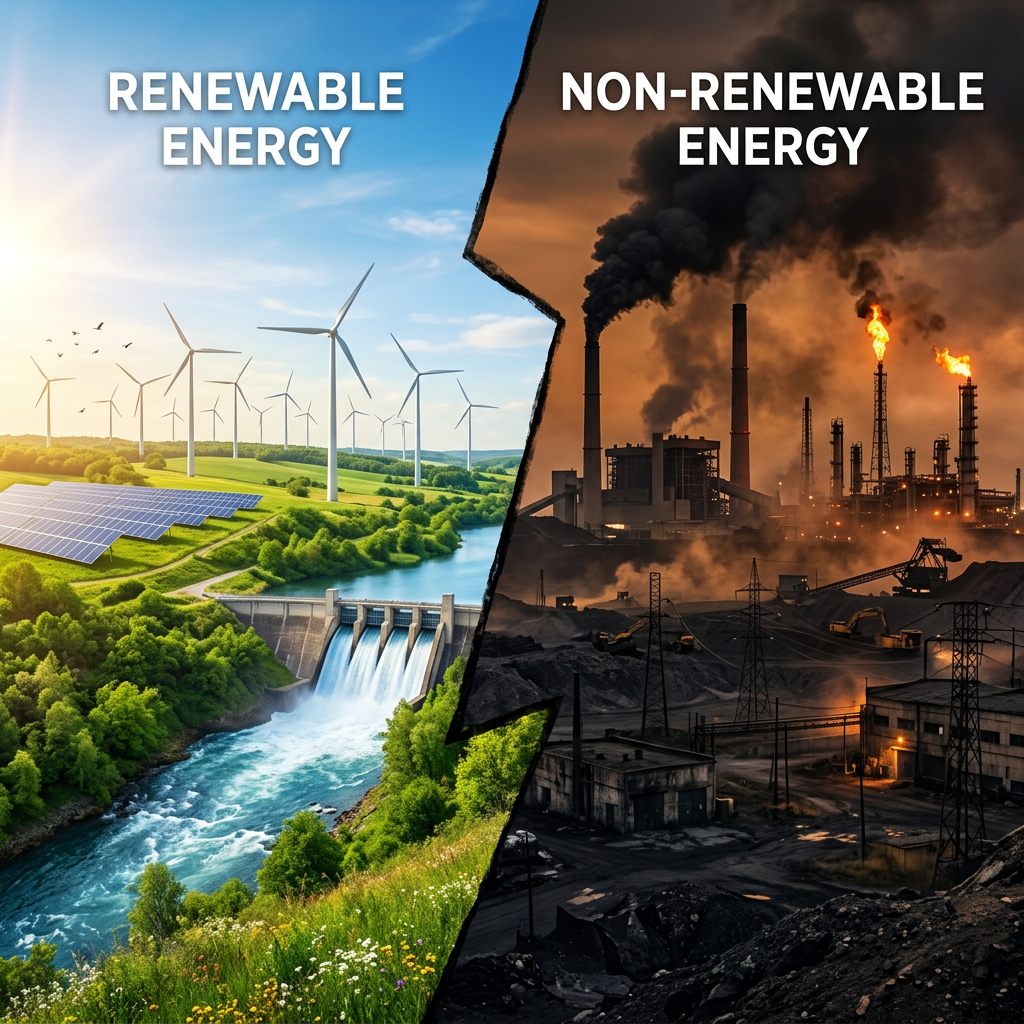
Energy Resources for GCSE Physics Every day, we use energy. We use it to heat our homes, cook food, charge phones, power lights, run schools and hospitals, move cars and buses, and generate electricity. Without energy resources, modern life would be very different. In GCSE Physics, an energy resource means something that can be used…
-
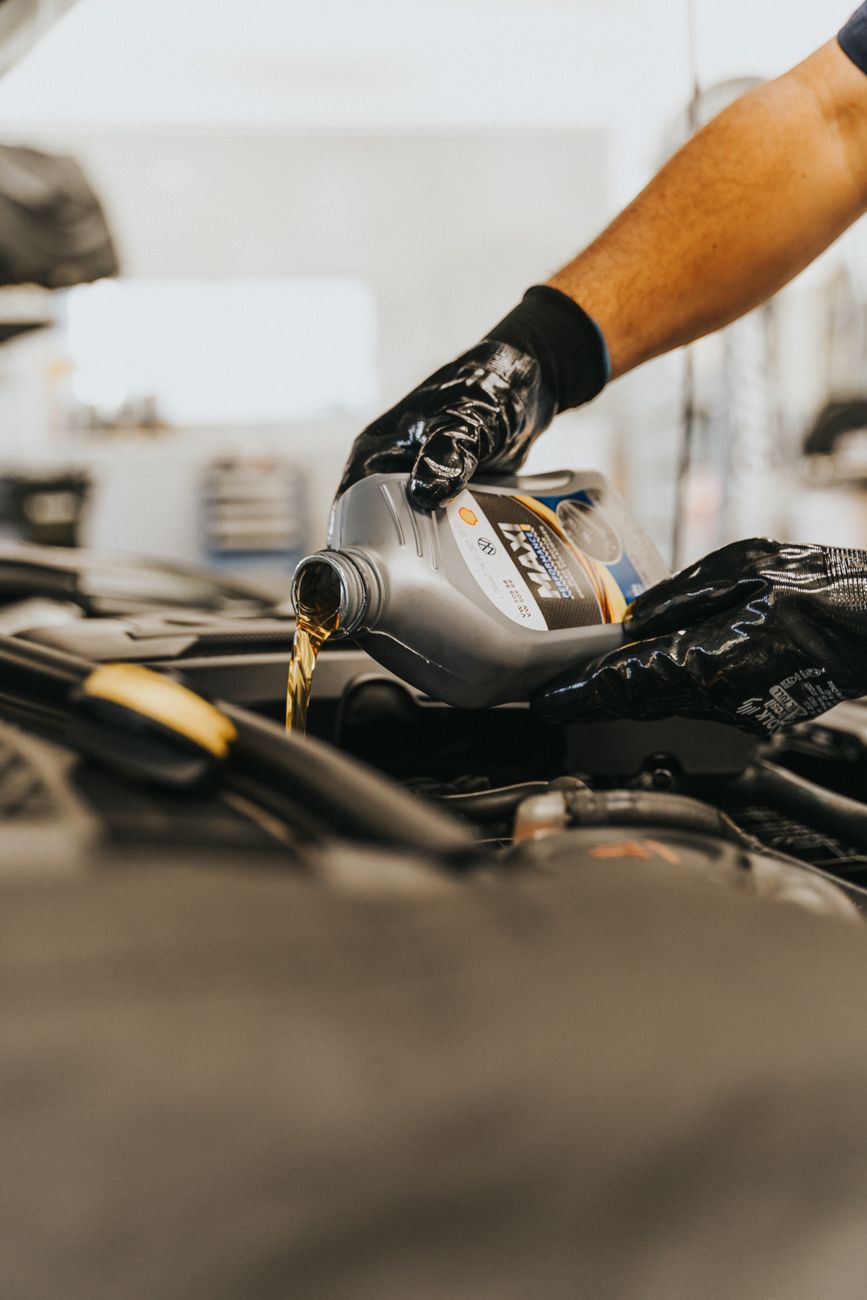
Reducing Unwanted Energy Transfers Not all energy transfers are useful. When a machine is working, some energy is often wasted by friction. When a house is heated, some energy is wasted because it escapes to the colder surroundings. In both cases, energy has not disappeared, but it has been transferred in a way that is…
-
How to Use Examiner Reports to Revise GCSE Physics

Examiner reports are one of the best revision tools most GCSE Physics students never use. Most pupils know about past papers. Many use mark schemes. But examiner reports are often ignored, even though they can be incredibly useful. A past paper shows you the questions. A mark scheme shows you the answers. An examiner report…
-
How to Use a Past Paper to Revise GCSE Physics
Past papers are one of the most useful ways to revise GCSE Physics, but only if you use them properly. The mistake many pupils make is simple: they do a paper, mark it, feel either pleased or disappointed, and then move on. That is not where the learning happens. The real value of a past…
-
Energy Stores and Changes in Systems for AQA GCSE Physics
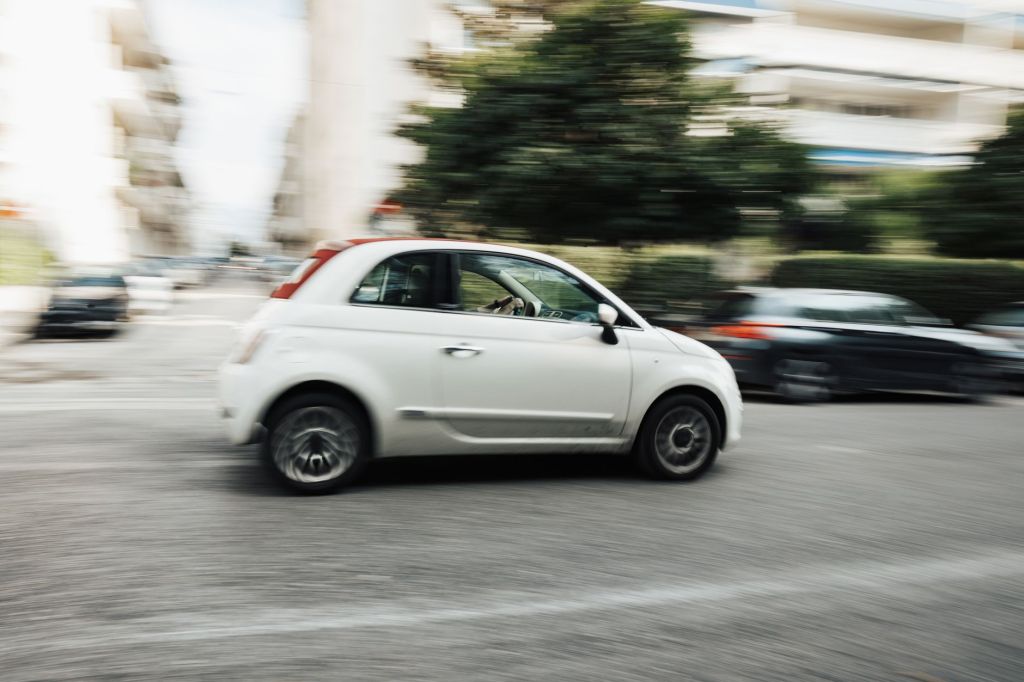
For AQA GCSE Physics, you need to be able to describe what happens to energy when a system changes. A system could be one object, such as a car, or a group of objects, such as a kettle and the water inside it. When something happens to a system, energy may be transferred from one…
-
Subscribe
Subscribed
Already have a WordPress.com account? Log in now.
 The Physics Question Bank